South America · Cruise destination guide
South America Cruise Guide: Cape Horn, Amazon and the Coasts
Short answer
What should you know before booking a South America cruise?
South America cruises split into Cape Horn and Patagonia sailings from Buenos Aires or Santiago, Amazon river itineraries from Barbados or Manaus, and Pacific coast routes to Peru and Chile. The southern season runs October to April. Balcony fares run $175 to $320 per person per night on fourteen-night itineraries. The three routes rarely combine, so pick the region first and the ship second. Fourteen nights at those rates is a $2,450 to $4,480 per person commitment before flights: Patagonia puts the scenery on the ship's rail, while the Amazon puts it on excursions, which changes where that budget goes.
Key takeaways
- Three separate routes: Cape Horn and Patagonia, the Amazon, and the Pacific coast.
- Cape Horn rounding is genuinely rough and is not attempted by every itinerary that claims Patagonia.
- Amazon sailings reach 900 miles upriver to Manaus, on ocean ships, which surprises people.
- Most South American itineraries are fourteen nights or longer.
- Many itineraries are one-way, so budget for two separate flights.
Overview
South America is the most varied cruise region covered on this site, and its three routes have almost nothing in common. A Cape Horn rounding is a cold-water, high-latitude voyage through Patagonian fjords with a genuine chance of rough weather. An Amazon sailing takes an ocean-going ship 900 miles up a river into the rainforest. A Pacific coast itinerary runs the Atacama Desert and the Peruvian coast.
The southern routes follow the southern summer, October to April, with December through February the peak. The Amazon runs from roughly December to April, when the river is at its highest and navigable furthest upstream.
The distances involved mean these are long cruises. A meaningful South America itinerary is fourteen nights minimum and frequently twenty-one, which is the main reason the region attracts an experienced cruising demographic.
Cape Horn and Patagonia itineraries typically run fourteen to eighteen nights between Buenos Aires and Santiago, calling at Montevideo, the Falkland Islands, Ushuaia, Punta Arenas and the Chilean fjords, with a Cape Horn rounding if conditions allow.
Cape Horn deserves a specific note. It is where the Atlantic and Pacific meet with no landmass between them and the Antarctic Peninsula, and it produces genuinely severe conditions. Ships round it when weather allows and divert when it does not. An itinerary that lists Cape Horn is listing an intention.
Amazon itineraries sail from Barbados or Miami across to the river mouth and then upstream, sometimes as far as Manaus, 900 miles inland. Ocean cruise ships genuinely do this; the Amazon is deep enough. Calls include Santarem, Parintins, Boca da Valeria and Alter do Chao.
Pacific coast itineraries run between Valparaiso and Callao for Lima, calling at the Atacama Desert ports, Arica and Coquimbo. They are often combined with Cape Horn on longer circumnavigations.
- Cape Horn rounding is weather-dependent and frequently diverted.
- Amazon sailings take ocean ships 900 miles upriver to Manaus.
- Most itineraries are fourteen nights or longer.
- Many are one-way, requiring two separate flights.
The best time to go
For Patagonia and Cape Horn, December to February gives the mildest conditions and the longest days, with January the most reliable. October and April are cheaper with more weather risk.
For the Amazon, December to April is the high-water season when ships reach furthest upstream. Outside that window, itineraries turn back earlier.
| Month | Patagonia and Cape Horn | Amazon | Pacific coast | Fares |
|---|---|---|---|---|
| October to November | Spring, changeable, cheap | Low water, limited | Mild, pleasant | Low |
| December to February | Mildest, longest days | High water, best access | Warm, dry | Highest |
| March to April | Autumn, settling, good value | High water continuing | Warm | Moderate |
| May to September | Winter, almost nothing sails | Low water | Cool, foggy on the coast | Lowest |
The ports, honestly assessed
South American ports range from major capitals to river villages with a wooden jetty. The variety is the appeal.
Buenos AiresArgentina
A major embarkation port. Recoleta, San Telmo and a tango show are the essentials. Arrive three days early.
MontevideoUruguay
The port is in the old city. Ciudad Vieja is walkable and the Mercado del Puerto is the best lunch in the region.
UshuaiaArgentina
The southernmost city in the world and the gateway to Antarctica. Tierra del Fuego National Park is 20 minutes.
Punta ArenasChile
Magellan Strait port. Penguin colonies at Isla Magdalena and Seno Otway are the excursions.
Cape HornChile
Scenic cruising rather than a port. Rounding is weather-dependent and frequently diverted.
Chilean fjordsChile
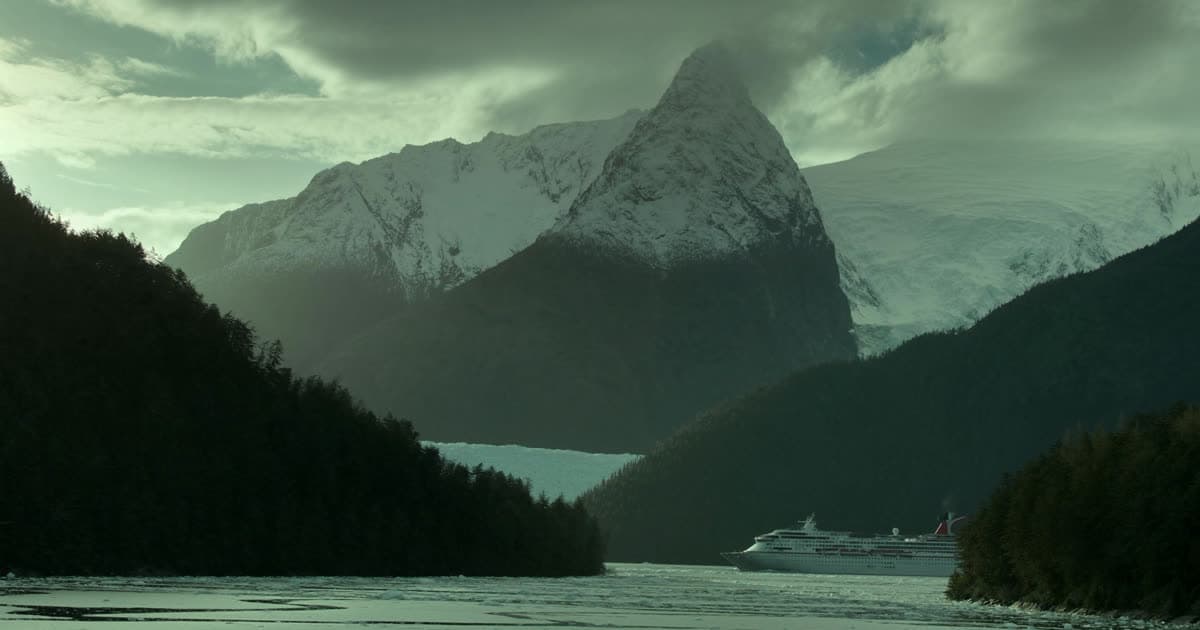
Days of scenic cruising through Amalia Glacier and the Sarmiento Channel. The best part of a Patagonian itinerary.
Falkland IslandsFalkland Islands
A tender port at Stanley. Penguin colonies and the 1982 conflict sites. Cancelled for weather roughly one call in three.
ValparaisoChile
Santiago's port, 90 minutes from the capital. The painted hillside neighbourhoods are a UNESCO site and worth staying for.
Callao for LimaPeru
A 45-minute transfer to Lima. Miraflores, Barranco and the Larco Museum are the highlights.
ManausBrazil
900 miles up the Amazon. The Teatro Amazonas opera house and the Meeting of the Waters are the essentials.
SantaremBrazil
Amazon river port. Alter do Chao's freshwater beaches are 30 minutes and are genuinely lovely.
Rio de JaneiroBrazil
On Atlantic coast itineraries. The pier is central; Sugarloaf and Christ the Redeemer both need half a day.
Weather, month by month
South America spans from the tropics to sub-Antarctic latitudes, so figures vary enormously by route. The table below covers Patagonia, which is the most weather-sensitive of the three.
| Month | High | Low | Sea | Rain days | Notes |
|---|---|---|---|---|---|
| October | 52F | 38F | 45F | 11 | Spring in Patagonia. Changeable and windy. |
| November | 57F | 42F | 47F | 11 | Improving. Good value before the peak. |
| December | 61F | 46F | 50F | 10 | Peak season begins. Long daylight hours. |
| January | 63F | 48F | 52F | 9 | Mildest month and the most reliable for Cape Horn. |
| February | 62F | 47F | 53F | 9 | Equal best month. Slightly quieter than January. |
| March | 58F | 44F | 52F | 10 | Autumn. Good conditions and falling fares. |
| April | 52F | 39F | 49F | 11 | Season ending. Best value, shortest days. |
What it actually costs
South American fares are moderate per night but the itineraries are long, so totals are high. A fourteen-night balcony sailing runs $2,450 to $4,480 before flights.
Flights are the complication. Most itineraries are one-way between Buenos Aires and Santiago, requiring two separate tickets, and South American airfares from North America run $900 to $1,800 each way in the southern summer.
| Cost item | Budget | Mid-range | Premium |
|---|---|---|---|
| Cruise fare, per night | $105 to $155 | $175 to $250 | $300 to $500 |
| Line and cabin | MSC or Norwegian, interior | Princess or Celebrity, balcony | Oceania, Silversea or Regent |
| One-way flights, two tickets | $1,400 to $2,600 | $1,400 to $2,600 | $1,400 to $2,600 |
| Pre and post hotels, four nights | $360 to $620 | $620 to $1,050 | $1,050 to $1,900 |
| Taxes and port fees | $320 to $460 | $340 to $500 | $360 to $540 |
| Gratuities | $154 to $224 | $238 to $294 | Often bundled |
| Excursions | $500 to $900 | $1,100 to $1,800 | $1,500 to $2,600 |
| Realistic total | $4,200 to $6,600 | $6,150 to $9,700 | $8,500 to $14,600 |
Popular itineraries
South American itineraries come in five shapes, and the route matters far more than the ship.
Cape Horn, Buenos Aires to Santiago
from $2,450 per person
14 nights from Buenos Aires
Calls: Montevideo, Falkland Islands, Ushuaia, Cape Horn, Punta Arenas, Chilean fjords
Best for: The classic Patagonian itinerary
Amazon river, Barbados to Manaus
from $2,560 per person
16 nights from Barbados or Miami
Calls: Devil's Island, Santarem, Boca da Valeria, Manaus, Parintins
Best for: The most unusual itinerary in cruising
South America circumnavigation
from $5,040 per person
28 nights from Buenos Aires or Santiago
Calls: Rio de Janeiro, Montevideo, Ushuaia, Cape Horn, Valparaiso, Lima
Best for: The whole continent by sea
Chile and Peru Pacific coast
from $2,160 per person
12 nights from Santiago
Calls: Coquimbo, Arica, Callao for Lima, Salaverry
Best for: The Atacama and Peruvian coast
Antarctica and Patagonia combined
from $4,620 per person
21 nights from Buenos Aires
Calls: Falkland Islands, Antarctic Peninsula scenic, Ushuaia, Chilean fjords
Best for: Adding Antarctic scenic cruising to Patagonia
Travel tips from our sailings
Arrive in Buenos Aires or Santiago three days early. Long-haul flights plus a same-day embarkation is a bad combination on a fourteen-night trip.
Understand that Cape Horn rounding is an intention, not a guarantee. Weather diverts ships regularly and no line compensates for it.
Falkland Islands calls are cancelled for weather roughly one time in three. Do not build the trip around Stanley.
The Chilean fjords days are the best part of a Patagonian itinerary and cost nothing extra. Book a balcony.
For the Amazon, sail December to April when high water lets ships reach Manaus.
Check visa and reciprocity fee requirements for Argentina, Chile and Brazil well before departure. Requirements change and Brazil in particular has shifted policy repeatedly.
Valparaiso is worth a night in its own right rather than transiting straight to Santiago.
Bring binoculars for Patagonian wildlife and Amazon riverbank birdlife; both reward them heavily.
South America packing essentials
- For Patagonia: a waterproof windproof shell, thermal layers and a warm hat. Patagonian wind is the defining weather feature.
- For the Amazon: lightweight long sleeves and trousers, plus strong insect repellent containing DEET.
- Yellow fever vaccination documentation for Amazon itineraries, which some ports require.
- Binoculars, which are essential for both Patagonian wildlife and Amazon birdwatching.
- Waterproof walking shoes for Ushuaia and Punta Arenas excursions.
- A Type C or I adapter depending on country; South America is inconsistent, so bring a universal one.
- Malaria prophylaxis advice from a travel clinic for Amazon sailings.
The full list, including the banned-items rules, is in our cruise packing guide.
Terms worth knowing
- Cape Horn
- The southernmost headland of the Tierra del Fuego archipelago, where the Atlantic and Pacific meet. Rounding it is weather-dependent and frequently diverted.
- Chilean fjords
- A network of channels and glaciers along Chile's southern coast, offering several days of scenic cruising on Patagonian itineraries.
- Meeting of the Waters
- The confluence near Manaus where the black Rio Negro and the sandy Rio Solimoes run side by side for several miles without mixing.
- High-water season
- The Amazon period from December to April when river levels allow ocean ships to reach Manaus, 900 miles upstream.
| Factor | Cape Horn and Patagonia | Amazon | Pacific coast |
|---|---|---|---|
| Typical length | Fourteen to eighteen nights | Sixteen to twenty-one nights | Twelve to fourteen nights |
| Season | October to April | December to April | October to April |
| Climate | Cool, windy, 52 to 63F | Hot, humid, 88F | Mild to warm, dry |
| Main appeal | Glaciers, fjords, wildlife | Rainforest and river life | Desert coast and Peru |
| Weather disruption | High, Cape Horn and Falklands | Low | Low |
| Lead-in balcony fare | $2,450 | $2,560 | $2,160 |
Which South America cruise should you book?
The three routes are entirely different holidays. Choose the landscape, then the month.
Cape Horn and Patagonia
Choose it when: Glaciers, fjords and sub-Antarctic wildlife are the appeal, and you accept that Cape Horn and the Falklands may both be missed to weather.
The Amazon
Choose it when: You want the most unusual itinerary in mainstream cruising. Sail December to April for high water and access to Manaus.
The Pacific coast
Choose it when: You want Peru, the Atacama and a warmer, calmer itinerary than Patagonia offers.
Sail January or February
Choose it when: Patagonia is the destination. These are the mildest months with the best chance of a successful Cape Horn rounding.
Book a balcony
Choose it when: Your itinerary includes the Chilean fjords. Several days of scenic cruising make it worth considerably more than in the Caribbean.
Price South America sailings
Realistic mid-range trips run about $215 per person per night all-in. Check current fares, then verify against the cost table above before booking.
Speak to a cruise specialist. Daily, 8am to 11pm ET.
South America cruise questions
Is Cape Horn always included on a Patagonia cruise?
It is scheduled but never guaranteed. Cape Horn is where the Atlantic and Pacific meet with no landmass between them and Antarctica, producing severe conditions. Ships round it when weather allows and divert when it does not, and no cruise line compensates for a missed rounding because it is a safety decision. January and February give the best odds.
Can ocean cruise ships really sail up the Amazon?
Yes. The Amazon is deep enough for full-size ocean cruise ships to reach Manaus, 900 miles upstream, during the December to April high-water season. Ships call at Santarem, Parintins and small river villages such as Boca da Valeria en route. Outside high water, itineraries turn back earlier.
How much does a South America cruise cost?
Fourteen-night balcony fares run $175 to $250 per person per night, so $2,450 to $3,500 for the cruise. The complication is flights: most itineraries are one-way, requiring two tickets at $1,400 to $2,600 total. A realistic mid-range total including hotels, taxes, gratuities and excursions is $6,150 to $9,700 per person.
When is the best time to cruise South America?
For Patagonia and Cape Horn, January and February give the mildest conditions at 62 to 63 Fahrenheit and the best chance of a successful Cape Horn rounding. For the Amazon, December to April is the high-water season when ships reach Manaus. The Pacific coast works throughout the October to April southern season.
Do you need vaccinations for an Amazon cruise?
Yellow fever vaccination documentation is required at some Amazon ports and strongly recommended for all of them. Malaria prophylaxis advice should come from a travel clinic several weeks before departure, since some regimens must start before travel. Check requirements for every country on your itinerary, as they change.
How rough is a Cape Horn cruise?
The Drake Passage approaches and Cape Horn itself can be genuinely severe, with the Southern Ocean unobstructed by any landmass at that latitude. The Chilean fjords and Beagle Channel sections are sheltered and calm by contrast. If you are prone to seasickness, take medication before rounding rather than after, and book a midship cabin on a lower deck.
About the author
Ports and Destinations Writer
Lena Hartley covers the parts of a cruise that happen off the ship: departure port logistics, shore excursions, weather windows and whether a port call is worth leaving the ship for at all.
48 sailings logged across 8 cruise lines.
This page was fact-checked by Captain Alberto Ruiz, marine and operations reviewer, on . Prices and policies are re-checked against cruise line sources at least every 90 days. Read our editorial policy.